When shoppers lose faith in food labels, it's the entire food supply chain that suffers.
The most recent surveys conducted by the food industry show that approximately 91 percent of consumers believe that at least some companies making environmental claims about their food products are either exaggerating, lying or completely fabricating the truth about the environmental impact of their products. The level of distrust in food companies using "greenwashing" (making environmental claims that are misleading) to sell their products has never been lower.
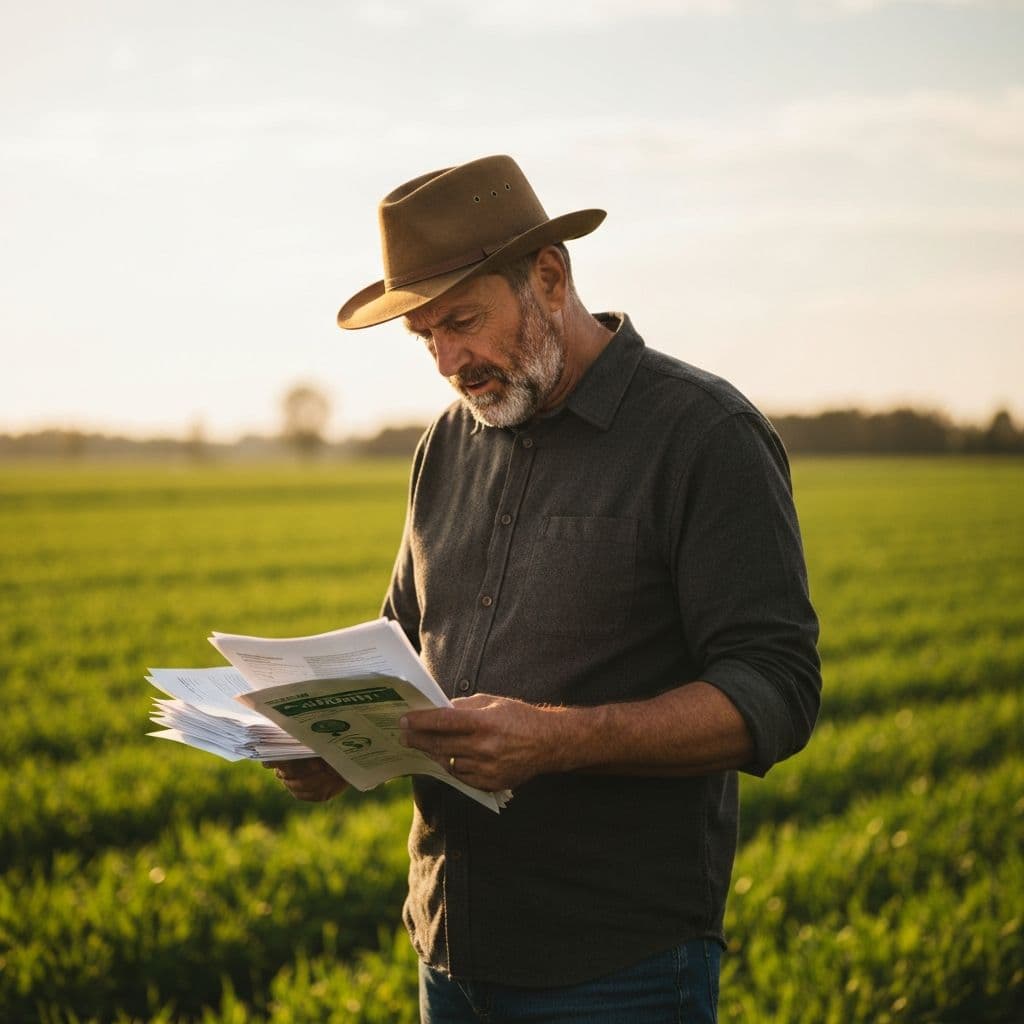
For the farmers that are actually practicing environmentally friendly farming techniques, the loss of public trust in labeling of food products is a major problem as well as a huge opportunity.
The extent of the problem
There are a lot of statistics available that help illustrate the scale of the issue of greenwashing on food packaging in Europe. Research done by the EU found that there are over 40 percent of environmental claims made on packaged foods that are either misleading or cannot be verified by consumers as being true. In addition, there has been a dramatic increase in the number of high-level greenwashing cases reported in the last few years.
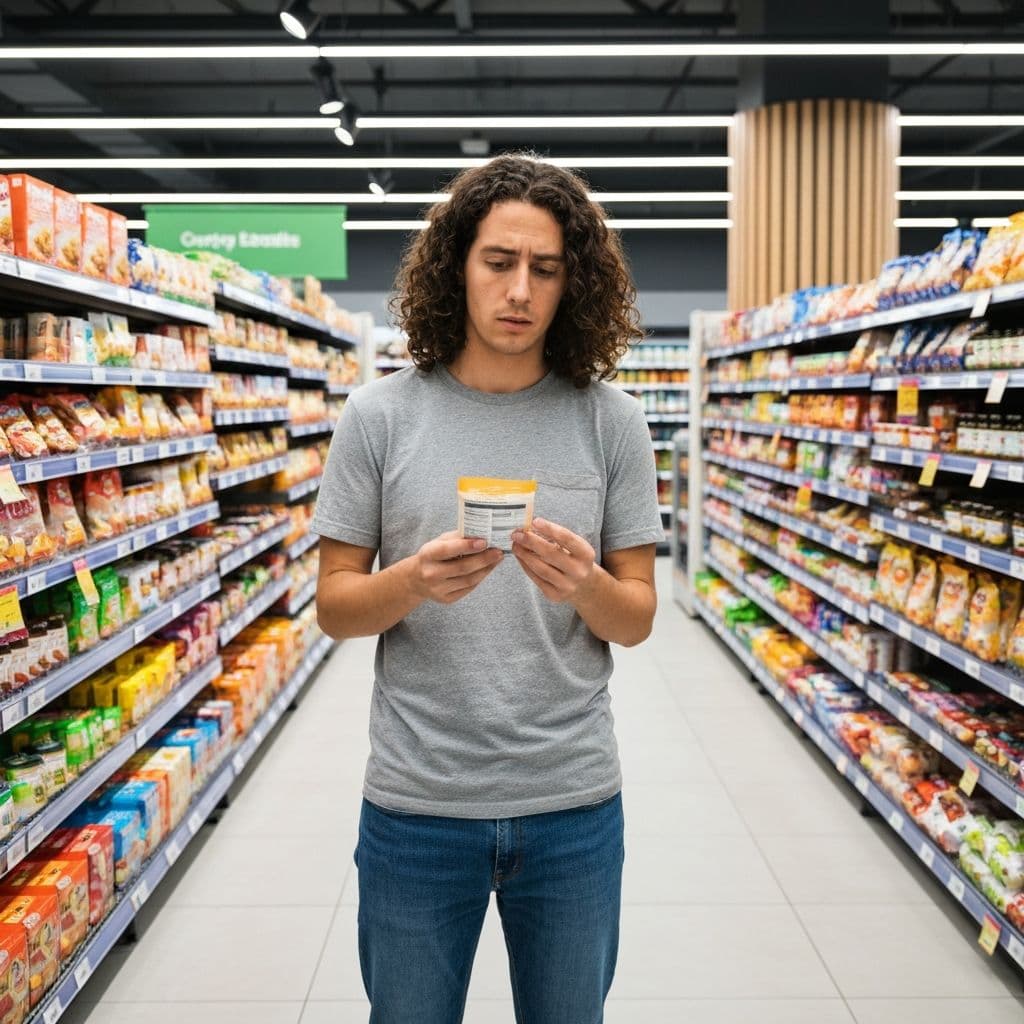
In the marketplace today, terms such as "natural", "ecofriendly", and "sustainable" have lost much of their value to consumers due to the excessive use of the terms in food advertising, and the lack of a strict definition of each term. Since virtually every product in the supermarket makes environmental claims, consumers are left wondering which ones to trust.
As a result, consumers are becoming cynical about all environmental claims made on food products. As a result, consumers are less likely to purchase products that make unsubstantiated environmental claims, and more likely to seek out alternative products that clearly demonstrate the steps that were taken to protect the environment.
What consumers really want
While consumers are not abandoning their desire to buy environmentally friendly food products, what they want has changed dramatically. Shoppers are moving beyond the marketing hype and looking for verifiable evidence that demonstrates how their food was grown and processed. While consumers may be interested in hearing that their food was "produced sustainably", they want to know what actions were taken by the farmer to ensure that the product was sustainably produced.
In short, consumers are no longer trusting marketing statements alone. They want to see proof that is not controlled by the company selling the product. This is a significant change in behavior for consumers; from trusting a brand name to trusting a verification process.
Limitations of traditional certification
Organic certifications, fair trade labels, and other sustainability certifications have filled an important gap in the marketplace. However, there are several issues with these certifications that consumers are starting to realize:
- Annual audits provide little assurance that the company's practices are consistent between audits.
- High costs make these certifications accessible only to larger-scale farms.
- Static labels do not provide a comprehensive view of the steps that were taken to grow a particular product.
- Self-reported data in many certification programs provides an opportunity for misrepresentation by the certified company.
- Consumers are seeing the gaps in certification processes and while they see the certification symbol, they cannot verify what occurred in between audits.
An alternative to more labeling
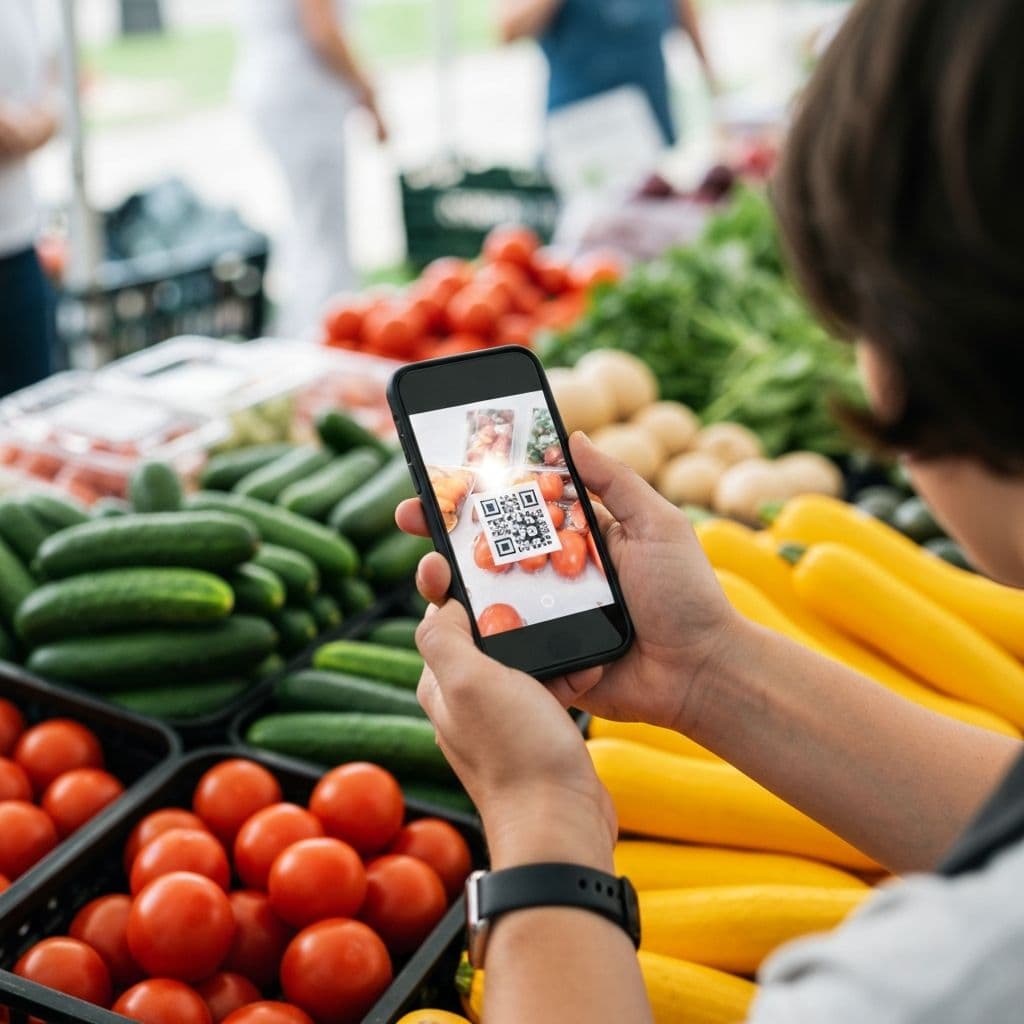
Instead of adding more labels to food products, the answer lies in providing consumers with a way to verify information provided by producers. Imagine a consumer shopping at a farmer's market. The consumer picks up an avocado and scans a QR code with their mobile device. Instead of receiving a marketing message, the consumer receives a list of information including:
- A count of documented farming practices, showing how thoroughly the process was recorded;
- A timeline of all of the events from planting to harvest;
- Photos from the field taken by the farmer during actual farming activities;
- Timestamped, tamper-evident records showing the documentation has not been altered.
This is an example of what verified transparency means. This method does not ask consumers to blindly trust a label. It allows consumers to evaluate the information for themselves and determine whether the producer is credible.
Benefits of verifiable transparency for farmers
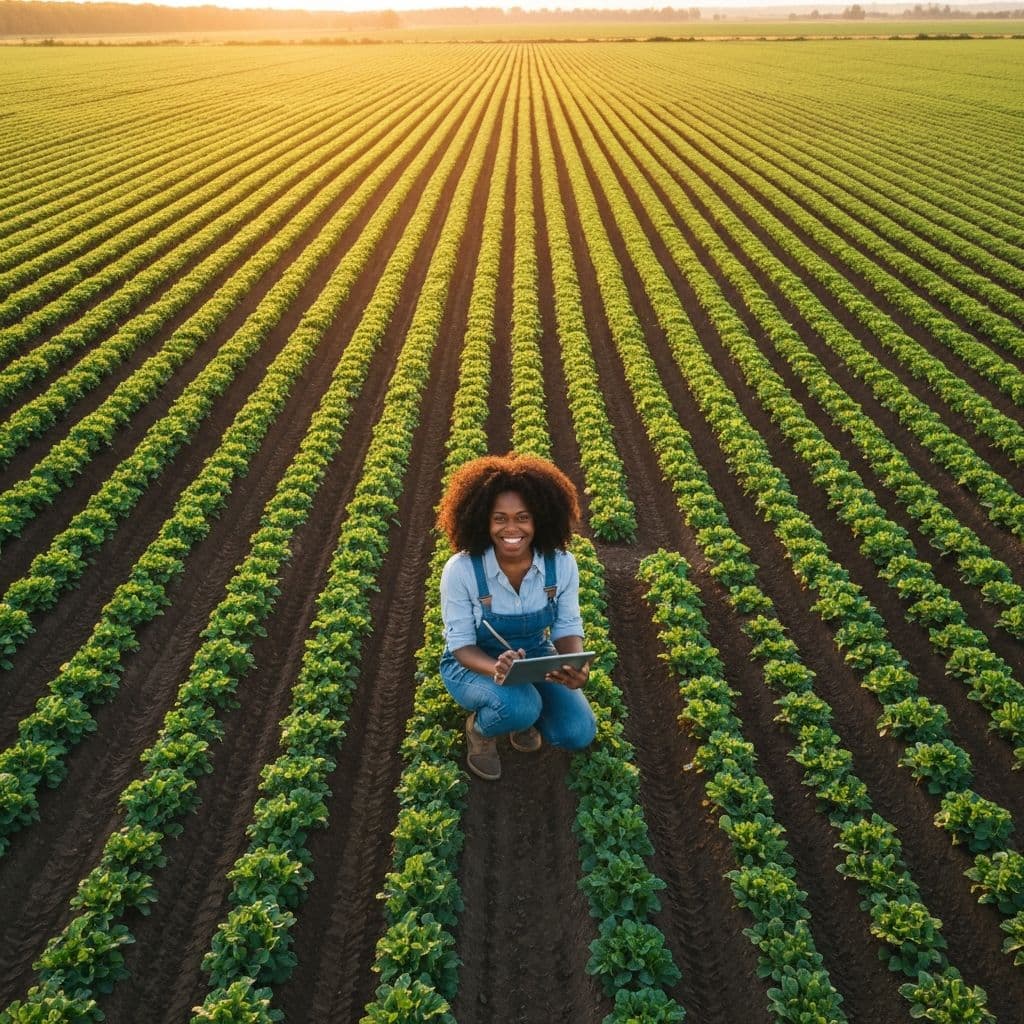
For farmers who actually follow best practices for growing crops, the current crisis of trust is not a bad thing. When most of your competitors are hiding behind vague and unsubstantiated claims, verifiable transparency is a competitive advantage.
Research on organic market pricing shows that certified organic specialty crops often command higher prices than conventional equivalents. However, as certification alone becomes less differentiating in crowded markets, verified transparency in farming practices is emerging as the next layer of trust consumers and buyers require. The key is not simply claiming sustainability. It is demonstrating it through a verifiable, documented record.
Farmers who document their practices and connect directly with consumers are positioned for premium positioning based on verifiable, documented practices. This includes documenting the following:
- Your practices - including planting, irrigation, chemical applications and harvesting;
- Verifying your documentation - including timestamped, tamper-evident records that show your data was not altered after the fact;
- Sharing your story - including the ability to allow consumers to access your documentation through QR codes.
By beginning the process of documenting your practices, you will position yourself to be ahead of the curve when consumers begin demanding proof of sustainability rather than relying solely on marketing claims.
Sources
Ready to build transparency into your farm?
Start documenting your farming practices and earn consumer trust with Trazo.
Start Free Trial